
Gold Coin Values: What Are Your Gold Coins Worth?
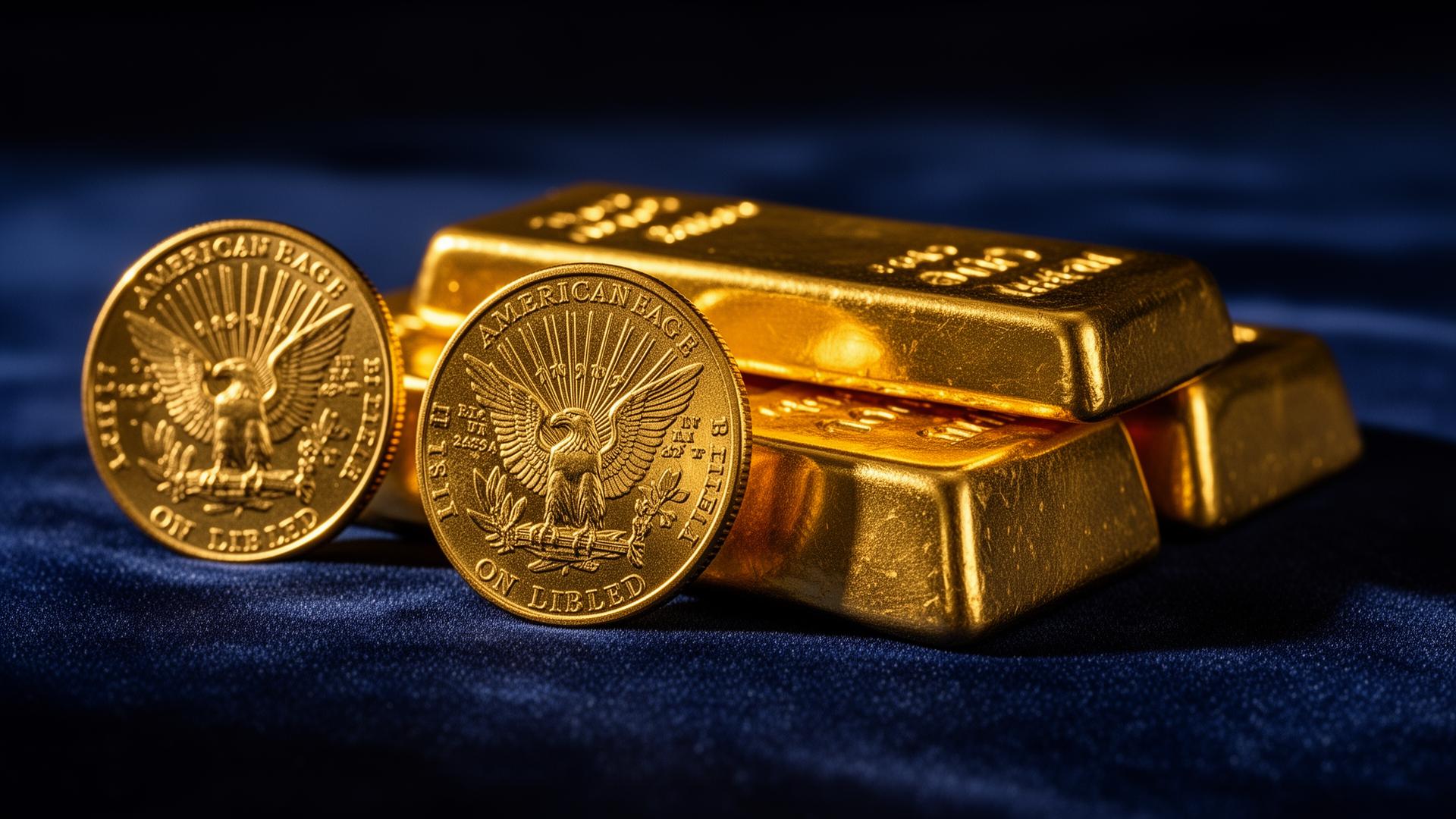
American Gold Eagles, pre-1933 gold, and modern commemoratives. Gold coins carry both metal value and collector premiums.
American Gold Eagle Values
Full dedicated guide to American Gold Eagle values →
The American Gold Eagle is the most widely traded gold bullion coin in the United States. Produced by the US Mint since 1986, it comes in four sizes: 1 oz, 1/2 oz, 1/4 oz, and 1/10 oz. Each coin is 22-karat gold (91.67% gold, with silver and copper for durability), but the gold weight is guaranteed. A 1 oz Gold Eagle contains exactly one troy ounce of pure gold. These coins are legal tender with face values of $50, $25, $10, and $5 — though their actual worth is based entirely on the gold market.
Gold Eagle values track closely with the spot price of gold. A 1 oz Eagle typically sells for 3 to 8 percent above spot. Fractional sizes carry higher percentage premiums: 5 to 10 percent for the 1/2 oz, 8 to 12 percent for the 1/4 oz, and 10 to 15 percent for the 1/10 oz. These premiums exist because production costs per coin remain similar regardless of size, and retail demand for smaller, more affordable gold coins is consistently strong.
Not all Gold Eagles are pure bullion plays. Proof versions, issued annually with mirror-like finishes and frosted designs, carry collector premiums above their bullion value. Early-date Eagles from 1986 and 1987 also bring slight premiums as first-year issues. In 2021, the US Mint redesigned the reverse from the family-of-eagles motif to a close-up portrait of a single eagle — coins from both design eras are actively traded. If you have inherited Gold Eagles, the value is straightforward to calculate, but condition and date can add a meaningful premium above melt.
Values approximate based on gold near $2,300/oz. Actual values fluctuate with the gold market.
Pre-1933 US Gold Coin Values
Pre-1933 US gold coins are the most valuable category of American coinage. In 1933, President Roosevelt signed Executive Order 6102, requiring citizens to surrender most gold coins and bullion to the Federal Reserve. Gold coins were pulled from circulation and melted by the millions. The coins that survived — whether saved by collectors, held in bank vaults overseas, or simply overlooked — represent a finite and shrinking supply. That historical scarcity, combined with the beauty of their designs, drives strong collector demand for every denomination.
The $20 Double Eagle is the most commonly encountered pre-1933 gold coin. Saint-Gaudens Double Eagles (1907–1933) feature Augustus Saint-Gaudens' iconic striding Liberty design, considered by many numismatists to be the finest coin design in American history. Common dates in circulated condition sell for $2,000 to $2,500 — close to their gold content of 0.9675 troy ounces. But key dates tell a different story. The 1933 Double Eagle, the last year of issue, sold for $18.9 million in 2021. The 1907 Ultra High Relief, Saint-Gaudens' original artistic vision with dramatically deep relief, has sold for nearly $5 million.
Liberty Double Eagles (1849–1907) preceded the Saint-Gaudens design and are equally collected. Common dates trade in the same $2,000 to $2,500 range. Earlier dates from the 1850s and 1860s, particularly those from the San Francisco and Carson City mints, carry meaningful premiums. The $10 Eagle, $5 Half Eagle, and $2.50 Quarter Eagle series follow similar patterns: common dates trade near gold melt value, while key dates and high-grade examples can be worth many multiples. The $1 Gold Dollar, produced from 1849 to 1889, is the smallest US gold coin and is popular with type collectors. Even common examples start around $200 to $350.
If you have inherited pre-1933 gold coins, professional appraisal is essential. The difference between a common-date coin worth $2,000 and a key date worth $50,000 can come down to a single digit in the date or a tiny mint mark letter. Cleaning, polishing, or improper handling can destroy thousands of dollars in numismatic value. Handle pre-1933 gold coins by the edges only, store them in a dry location, and do not attempt to clean them under any circumstances.
Gold Commemorative Coins
The US Mint has produced $5 gold commemorative coins since 1986, honoring events ranging from the Statue of Liberty centennial to the Olympics. Each coin contains 0.2419 troy ounces of gold (the same as a $5 Half Eagle). Most modern commemoratives trade at or near their gold content plus a modest numismatic premium — typically $500 to $700 at current gold prices.
Some commemoratives with low mintages command higher premiums. The 1997-W Jackie Robinson $5 gold (only 5,174 uncirculated coins struck) regularly sells for $5,000 or more. The 2002 Salt Lake City Olympics and certain Civil War commemoratives also trade above their expected range. Proof versions in original government packaging with certificates of authenticity tend to bring slightly higher premiums than raw coins. If you have inherited gold commemorative coins, they are worth evaluating individually rather than selling as a bulk lot at melt.
How Gold Coin Values Are Determined
Component 1: Metal Value
Every gold coin has a base value determined by its gold weight multiplied by the current spot price. A 1 oz Gold Eagle at $2,300 spot has a metal value of $2,300. A $20 Double Eagle with 0.9675 oz of gold has a metal value of roughly $2,225 at the same price. This floor price moves daily with the gold market. No legitimate gold coin is worth less than its metal value.
Component 2: Numismatic Premium
Above the metal value, collector demand adds a numismatic premium based on three factors: rarity (how many survive in any condition), condition (graded on the Sheldon scale from 1 to 70), and market demand (which dates and types collectors are currently pursuing). Some gold coins trade at melt value. Others trade at 10 times, 100 times, or 1,000 times melt. A common-date $20 Saint-Gaudens might carry a 5 to 10 percent premium above melt. A 1907 Ultra High Relief carries a premium exceeding $4 million. This is precisely why professional appraisal matters — determining whether a gold coin belongs in the bullion column or the numismatic column can change its value by orders of magnitude.
Why Professional Appraisal Matters
Gold coins are the highest-value items most people will ever sell. A single inherited coin can be worth anywhere from $250 to $250,000 depending on what it is. Online price guides provide general ranges, but they cannot account for the specific condition, authenticity, and market timing of your individual coins. A trained numismatist can identify key dates, rare varieties, and condition factors that dramatically affect value. Selling gold coins without professional evaluation is the single most common way people leave money on the table. Read our Selling Guide for a complete walkthrough on getting the best price for your gold.
Most Valuable US Gold Coins Ever Sold
These record-setting auction results demonstrate the extraordinary premiums that rarity and historical significance can add to gold coins. While most gold coins in estate collections will not reach these levels, they illustrate why every gold coin deserves individual evaluation rather than being sold as scrap at melt value.

Gold Coins Are Our Specialty
Gold coins are the highest-value items US Gold and Coin purchases. Whether you have a single inherited Double Eagle or a complete collection of American Gold Eagles, we provide free expert appraisals that account for both metal value and numismatic premiums. We have purchased over $50 million in coins and precious metals since 2010.
Insured shipping is provided at no cost for mail-in appraisals. We pay the same day you accept our offer — by check, wire transfer, or cash for in-person transactions.
Visit us in Dallas, Austin, Tampa, Fort Worth, Waco, Kansas City, or Overland Park.