
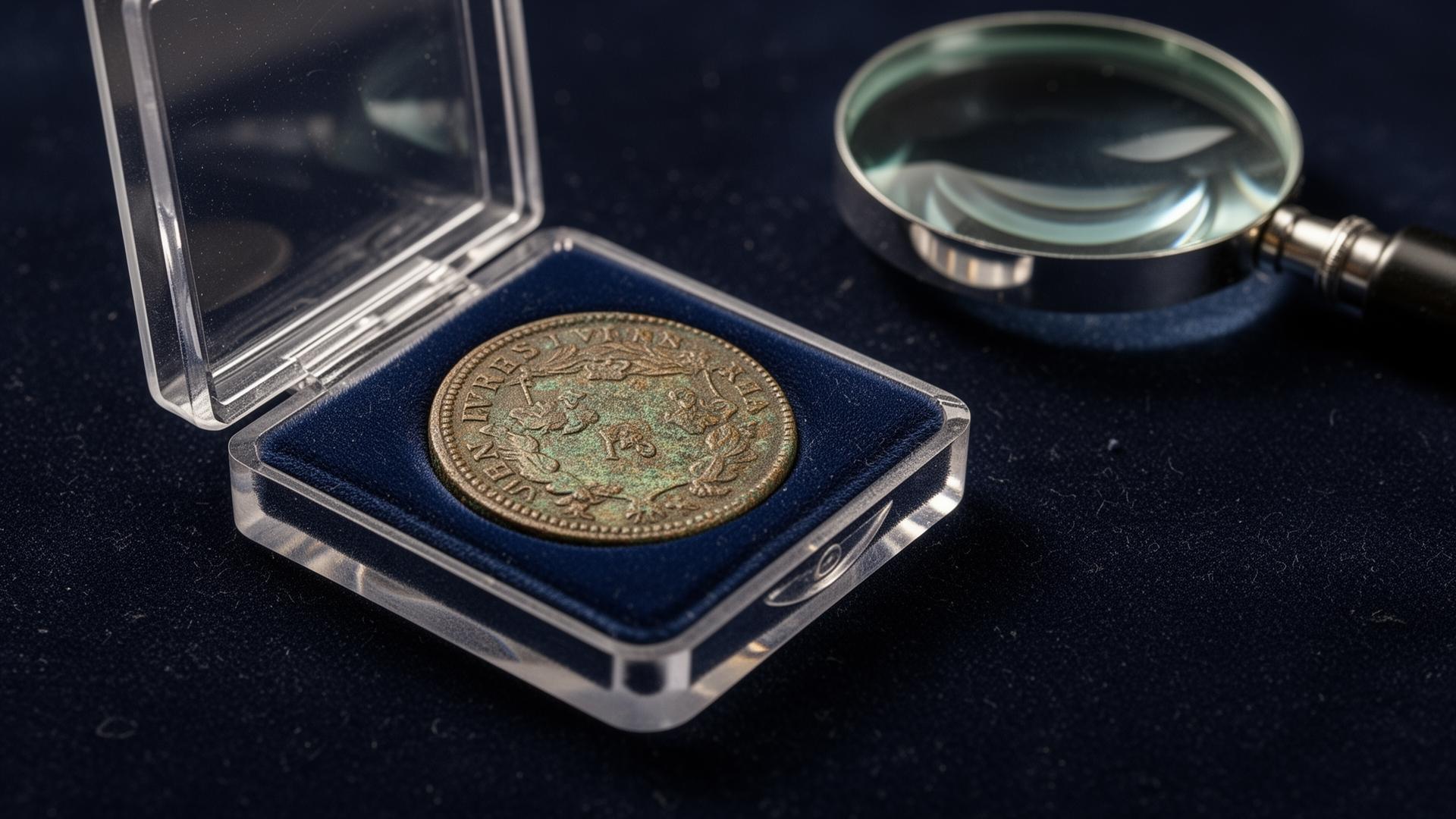
Silver Dollar Values: What Are Your Silver Dollars Worth?
Morgan dollars, Peace dollars, and more. Find out what your silver dollars are worth based on year, mint mark, and condition.
Silver dollars are the most popular coins we buy. We see more Morgans and Peace dollars cross our counter than any other single coin type, and for good reason — they are large, heavy, beautiful, and always worth real money. A common-date Morgan in circulated condition sells for $65 to $100. A key date in top condition can bring over $500,000. This guide from our Coin Values series breaks down what drives those numbers so you know what you have before you sell.
Every Morgan and Peace dollar contains 0.7734 troy ounces of pure silver — roughly three-quarters of an ounce. That metal content sets a floor price that moves with the silver market. At $30 silver, the melt value is about $23. At $35 silver, it is about $27. Most silver dollars sell above melt because collectors are willing to pay for the date, the history, and the condition. Key dates and scarce mint marks multiply that premium dramatically.
Morgan Silver Dollar Values (1878–1921)
The Morgan silver dollar was designed by George T. Morgan and first struck in 1878. Production ran continuously through 1904, stopped entirely when silver reserves were exhausted, then resumed for one final year in 1921 before the Peace dollar took over. Morgans were produced at five mints: Philadelphia (no mint mark), New Orleans (O), San Francisco (S), Carson City (CC), and Denver (D, 1921 only). The mint mark appears on the reverse, below the wreath and above the letters "DO" in "DOLLAR."
Common-date Morgans from the Philadelphia mint in the 1880s and 1890s are the most available. In circulated condition — meaning they show wear from handling — these trade well above face value. In uncirculated condition with original luster, they bring considerably more. The jump in price between circulated and uncirculated is consistent across most dates because collectors strongly prefer coins that were never spent. A bag-marked uncirculated Morgan with average luster is worth two to three times what the same date brings in Very Fine condition.
The key to Morgan dollar values is the combination of date and mint mark. The 1893-S is the undisputed king of the series — only 100,000 were struck, and it is rare in any grade. A circulated 1893-S sells for $3,000 to $50,000 depending on condition. In Mint State, auction records exceed $500,000. The 1889-CC is the scarcest regular-issue Carson City Morgan, with just 350,000 minted. Circulated examples bring $500 to $5,000, and uncirculated pieces trade for $10,000 to $50,000. Even common Carson City dates like the 1882-CC and 1883-CC carry premiums of $100 to $250 in circulated condition because collectors pursue the CC mint mark specifically.
GSA (General Services Administration) Morgans deserve special mention. In the 1970s, the U.S. government sold roughly 2.8 million silver dollars from Treasury vaults through the GSA — many of them Carson City Morgans in original government-issued hard plastic holders. GSA Morgans in their original holders carry premiums above raw coins of the same date and grade because the holder guarantees authenticity and provides a provenance story that collectors value. If you have a silver dollar in a black or clear GSA holder, do not remove it — the holder itself adds to the value. If you also have half dollars from this era, many of the same mintage and condition factors apply.
Peace Silver Dollar Values (1921–1935)
Full dedicated guide to Peace Dollar values by year →
The Peace dollar was designed by Anthony de Francisci and first minted in December 1921 to commemorate the end of World War I. The initial 1921 issue was struck in high relief, giving it a sculptural depth that stands apart from every other date in the series. Production continued through 1928, paused for five years, then resumed in 1934 and 1935 before the series ended. Peace dollars were struck at Philadelphia, Denver (D), and San Francisco (S) — no Carson City or New Orleans issues exist.
Common-date Peace dollars from the early 1920s — especially 1922, 1923, and 1925 from Philadelphia — are the most available silver dollars on the market. In circulated condition, they sell for $25 to $35, closely tracking their silver melt value. Uncirculated examples with average luster bring $35 to $75. Peace dollars are generally more affordable than Morgans of similar condition, making them a popular entry point for new collectors and a common find in inherited collections.
The key date is the 1928 Peace dollar, struck only at Philadelphia with a mintage of 360,649 — by far the lowest of the series. In Fine condition, a 1928 Peace dollar sells for $200 to $500. In Mint State, prices reach $5,000 or more. The 1921 high relief Peace dollar is the other standout: its first-year status and distinctive design make it popular with type collectors, bringing $75 to $200 in circulated condition and significantly more in gem grades. The 1934-S is scarce in all grades and particularly rare in uncirculated condition, where it can bring $500 to $5,000. If you collect across denominations, gold coins from this same period follow similar patterns of date-driven premiums.
Eisenhower Dollar Values (1971–1978)
Eisenhower dollars are the large dollar coins minted from 1971 to 1978 featuring President Dwight D. Eisenhower on the obverse and an eagle landing on the moon on the reverse. Most Eisenhower dollars struck for circulation at Philadelphia and Denver are copper-nickel clad — they contain no silver and are worth $1 to $3 depending on condition and date. They are big, heavy coins that people assume must be valuable because of their size, but standard clad Ikes are among the most common modern U.S. coins.
The exceptions are the 40% silver Eisenhower dollars produced at San Francisco for collectors. The 1971-S, 1972-S, 1973-S, 1974-S, and 1976-S silver issues were sold in special blue and brown packaging. These contain 40% silver and are worth $8 to $20 depending on the date and whether they are proof or uncirculated. The 1973-S silver Ike is the scarcest, as it was only available in collector sets. The other variety to know is the 1972 Type 2 Philadelphia issue, where the Earth on the reverse shows distinctly different continent detail from the standard Type 1. A genuine 1972 Type 2 brings $50 to $500 in uncirculated condition, making it the sleeper of the Eisenhower series.
Silver Dollar Value Chart
Approximate values for the most commonly searched silver dollar dates. Actual value depends on exact condition, mint mark variety, and current market.
These ranges reflect the spread between common circulated examples and coins in top grades. Carson City (CC) mint marks always command premiums above Philadelphia and other mint issues. Contact US Gold and Coin for a free professional appraisal of your specific coins.
How to Tell What Your Silver Dollar Is Worth
Identify the Type
Determine whether you have a Morgan dollar (Lady Liberty with a Phrygian cap, 1878–1921), a Peace dollar (Liberty facing left with a radiant crown, 1921–1935), an Eisenhower dollar (Ike's portrait, 1971–1978), or a Trade dollar (seated Liberty, 1873–1885). The design tells you the series, which narrows the value range immediately.
Check the Date and Mint Mark
The date is on the obverse. For Morgan dollars, the mint mark is on the reverse, below the wreath above 'DO' in DOLLAR. For Peace dollars, it is on the reverse near the eagle's tail feathers. For Eisenhower dollars, it is on the obverse below Ike's neck. The mint mark (D, S, CC, O, or no mark for Philadelphia) is critical to determining rarity.
Grade the Condition
Look at the high points: Liberty's hair and cheek on Morgans, Liberty's hair above the ear on Peace dollars. Wear on these areas determines the grade. Uncirculated coins show no wear and retain original mint luster — the cartwheel effect visible when tilting the coin under light. Never clean a silver dollar. Original toning adds character and can increase value.
Not sure what you have? Send us a photo or bring your silver dollars to any US Gold and Coin location for a free expert appraisal.
Have Silver Dollars You Want Appraised?
Whether you have a single Morgan dollar, a bag of Peace dollars, or an inherited collection you have never sorted, our experts can tell you exactly what your silver dollars are worth. Free appraisals, no obligation, same-day payment if you decide to sell.
Visit us in Dallas, Austin, Tampa, Fort Worth, Waco, Kansas City, or Overland Park. We also offer mail-in appraisals nationwide. Read our Selling Guide for a full walkthrough of the process.
Silver Dollar Values FAQ
How much is a silver dollar worth?
What silver dollars are worth the most?
How much is a 1922 silver dollar worth?
Are all silver dollars real silver?
What is the melt value of a silver dollar?
How do I sell my silver dollars?
What is a Morgan silver dollar?
Where can I sell silver dollars near me?
Ready to Find Out What Your Silver Dollars Are Worth?
Get a free, no-obligation appraisal from our expert team.